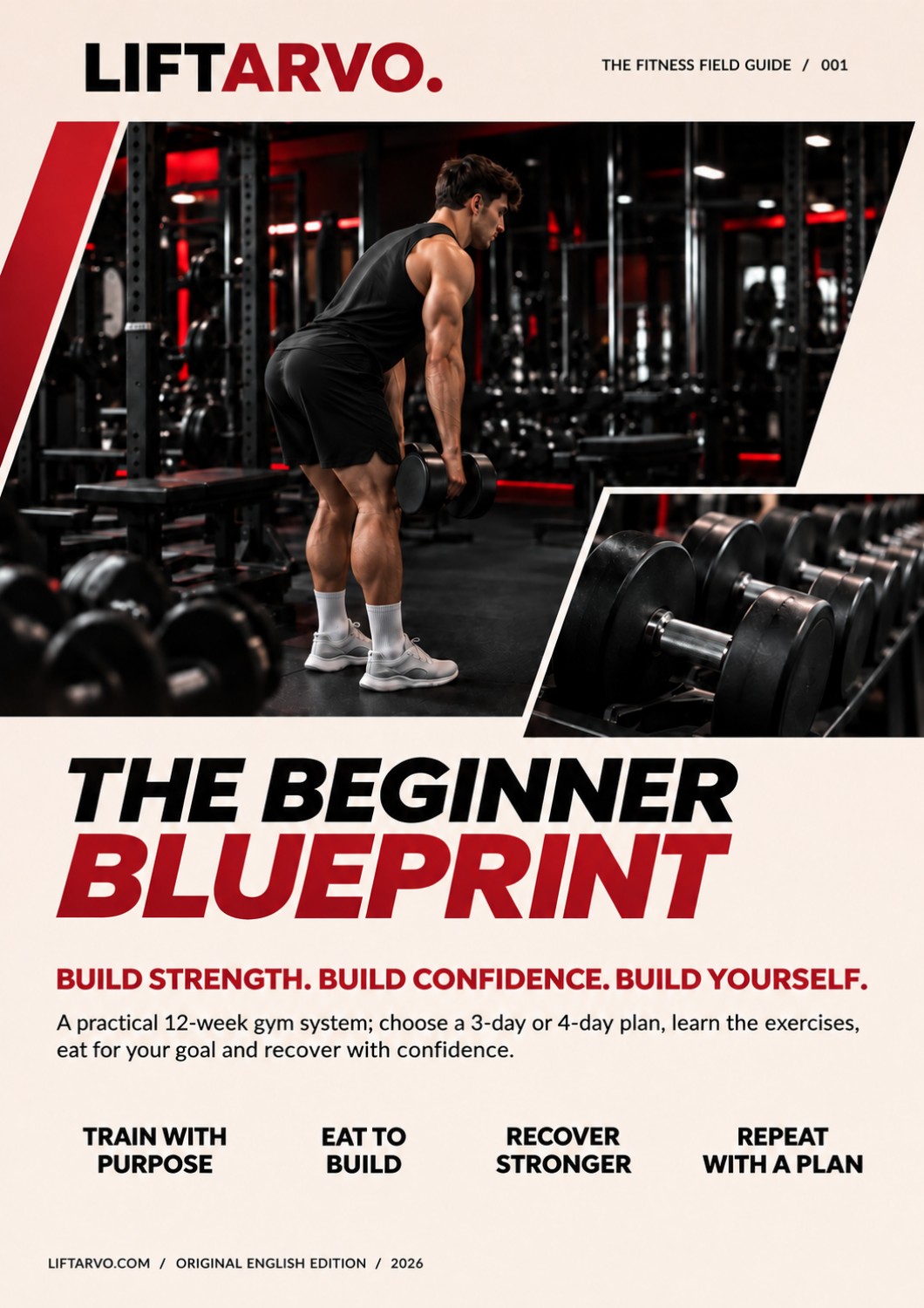

Want to start training, but not sure what to do once you get there?
I created LIFTARVO to give gym beginners a clear place to start. The Beginner Blueprint brings the training plan, exercise guidance and food basics together, so you can work out what to do next.
Before you decide if it’s for you, here are seven things worth knowing.
Your first visit.
Already mapped out.
Arrive knowing what to bring, how to warm up and what the words on your workout card mean.
Use the first-seven-days checklist to prepare, then keep the explanations of sets, reps and reps in reserve close at hand.
Gym setup, your bag, warming up, training terminology and sharing the room.
Three days or four.
One plan at a time.
Choose three-day full body or four-day upper/lower to fit your week. Each schedule tells you which session to do on each training day.
Open the matching workout card for your exercises, working sets, rep ranges and rest. Follow the opening-week guidance as you learn; use one schedule, not both.
Full body
Monday · Wednesday · Friday
Sessions A, B and C
Upper / lower
Monday · Tuesday · Thursday · Friday
Upper A · Lower A · Upper B · Lower B
More than a name
on a workout card.
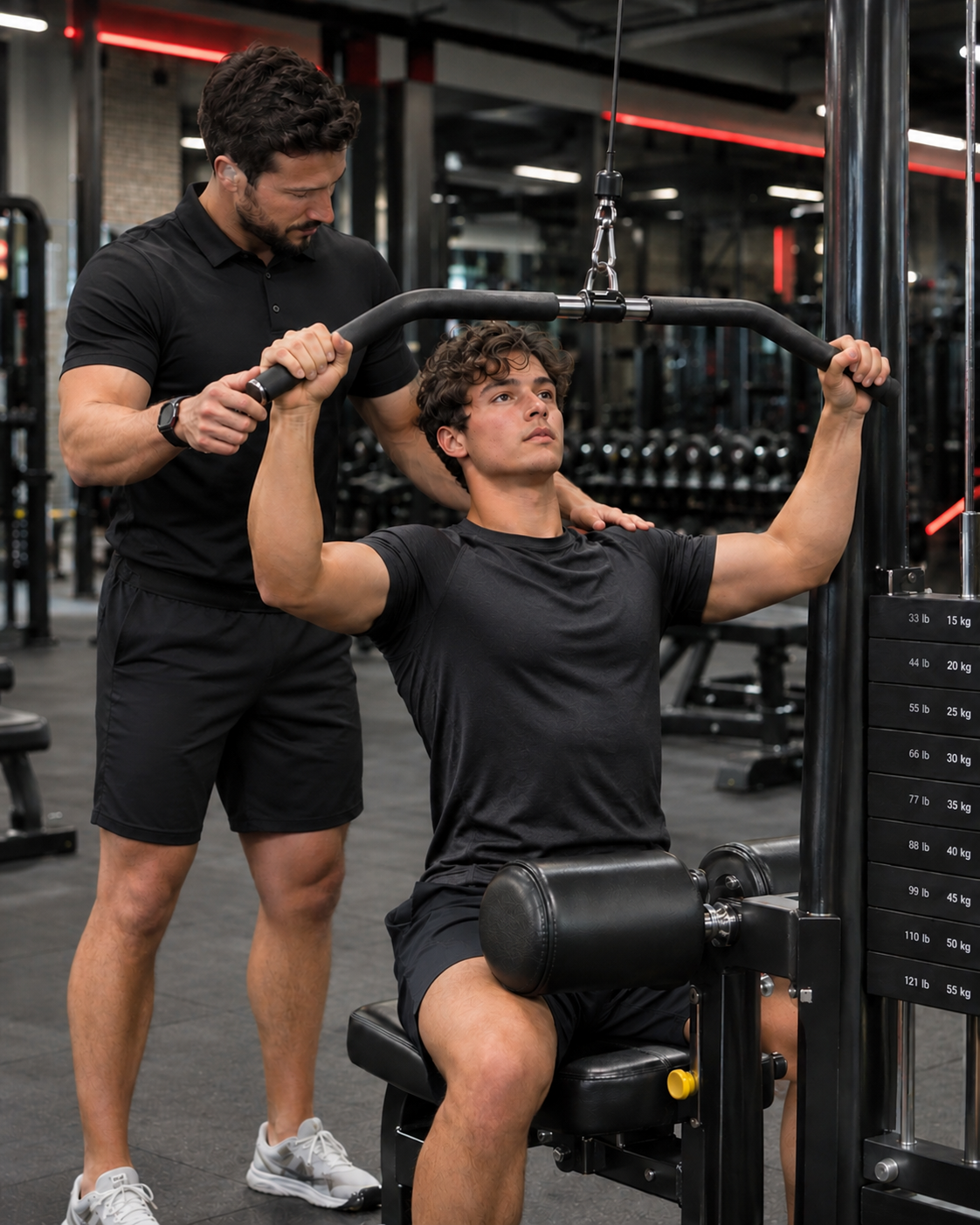
Look up an exercise before your session: how to set up, what to focus on and which mistakes to watch for. Equipment alternatives help when your gym has a different setup.
The updated toolkit adds machine setup guidance and more movement cues. Use the written instructions alongside a qualified trainer’s technique check; the photos are illustrative.
Twelve recipes.
Less mealtime guesswork.
Work out a starting point for calories and protein, then see how that can translate into a day of eating. The updated toolkit includes two worked examples to help you apply the basics.
Twelve recipes and a grocery list help turn those ideas into meals, with ingredient amounts, simple methods and estimated nutrition.

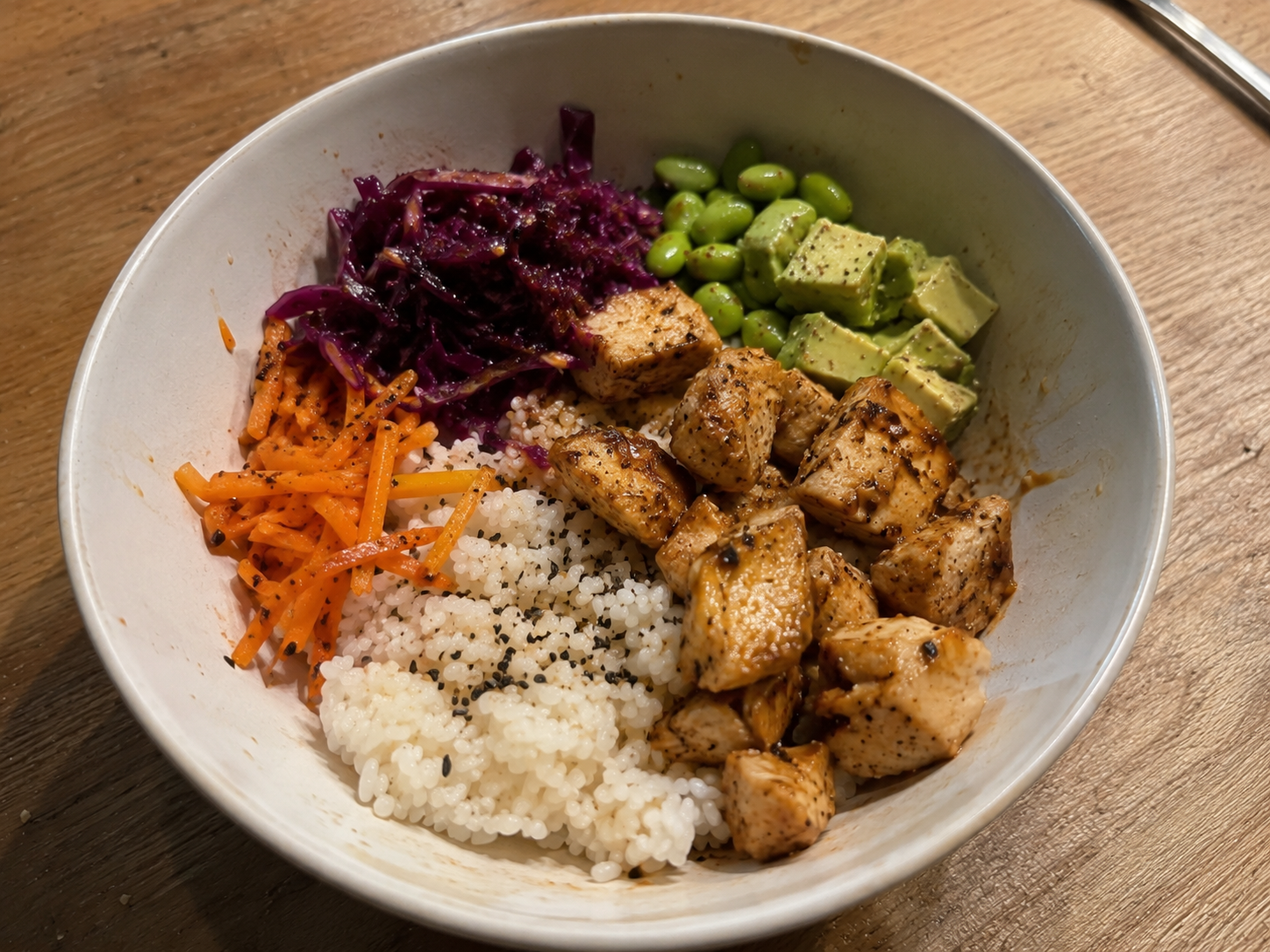
Recipe timings from the book. Food images are illustrative.
Your progress.
Written down.
Record your weights and reps so your next session starts with a useful reference. Review your training and habits each week to see what is working.
Seven reusable session logs match the plans: Full Body A, B and C; Upper A, Lower A, Upper B and Lower B. Print the pages for your chosen schedule and fill them in by hand.
Session logs: pages 112–118. Your 12-week record: page 119. Habits scorecard: page 84.
A busy week.
Still part of the plan.
Plan rest days, prepare for your next session and make room for sleep. The recovery and habits chapters help you build training into everyday life.
When a week goes wrong, use the fallback guidance to find your next manageable step.
to be ready.
You need to begin.”THE BOOK MANIFESTO / PAGE 02
Twelve weeks.
Four clear phases.
The roadmap closes the loop: Learn in weeks 1–2, Settle in weeks 3–4, Build in weeks 5–8 and Own It in weeks 9–12. Each phase gives you a focus and a next action.
Use the weekly plan and 12-week record to keep track as you go. The aim is to build a routine you understand and can continue beyond week twelve.
LESS GUESSING.
MORE GETTING STARTED.
Choose your training days. Open your workout card. Know what comes next. See the actual book pages before deciding if it is right for you.
See the book and price